

LIGHT & LONGEVITY

The Science Behind The Light

Explore the research behind photobiomodulation and the engineering choices that shape Halio’s at-home light devices.

Explore the research behind photobiomodulation and the engineering choices that shape Halio’s at-home light devices.

630–660 nm

Red Light

Red Light

850nm

Near-Infrared

Near-Infrared

1072nm

Deep NIR

Deep NIR

Clinically studied

wavelengths

Clinical Studies

Dermatologist-led

Clinical innovation

Dermatologist-led

4.5M+

devices sold worldwide

4.5M+ devices sold worldwide

Cellular Energetics

What is Photobiomodulation?

The conversion of light energy into biological vitality.

1. The Discovery

Photobiomodulation, or PBM, is the study of how defined exposures to light may interact with biological processes. Research spans different wavelengths, devices, and intended uses.

2. The Cellular Process

When red light photons are absorbed by cells, they increase the energy production within the mitochondria. This leads to an increase in ATP (adenosine triphosphate), the primary energy currency of the cell. With more energy available, cells can function more efficiently, supporting natural repair and regeneration.

3. Why it Matters

As we age, our cells naturally produce less ATP, leading to slower recovery times and increased inflammation. Red light therapy is used by dermatology professionals to support skin health and by athletes to aid in muscle recovery. It offers a gentle, non-invasive way to support the body's natural processes.

What is Photobiomodulation?

Red Light Therapy

What Are The Benefits Of Red Light Therapy?

Discover the science-backed benefits of red light therapy for recovery, skin health, and overall wellness.

Supports Collagen Production & Skin Resilience

Supports Collagen Production & Skin Resilience

Explored for Metabolic Health

Explored for Metabolic Health

Supports Muscle Recovery

Supports Muscle Recovery

Supports Hair Growth in Certain Conditions

Supports Hair Growth in Certain Conditions

May Reduce Inflammation & Discomfort

May Reduce Inflammation & Discomfort

Supports Cellular Energy Processes

Supports Cellular Energy Processes

Improves Quality Of Sleep

Improves Quality Of Sleep

Emerging Research in Reproductive Health

Emerging Research in Reproductive Health

Supports Tissue Repair & Skin Recovery

Supports Tissue Repair & Skin Recovery

Supports Post-Exercise Recovery

Supports Post-Exercise Recovery

Explored for Immune Regulation

Explored for Immune Regulation

May Support Joint Comfort & Mobility

May Support Joint Comfort & Mobility

Emerging Research in Brain Health

Emerging Research in Brain Health

Explored for Hormonal Regulation

Explored for Hormonal Regulation

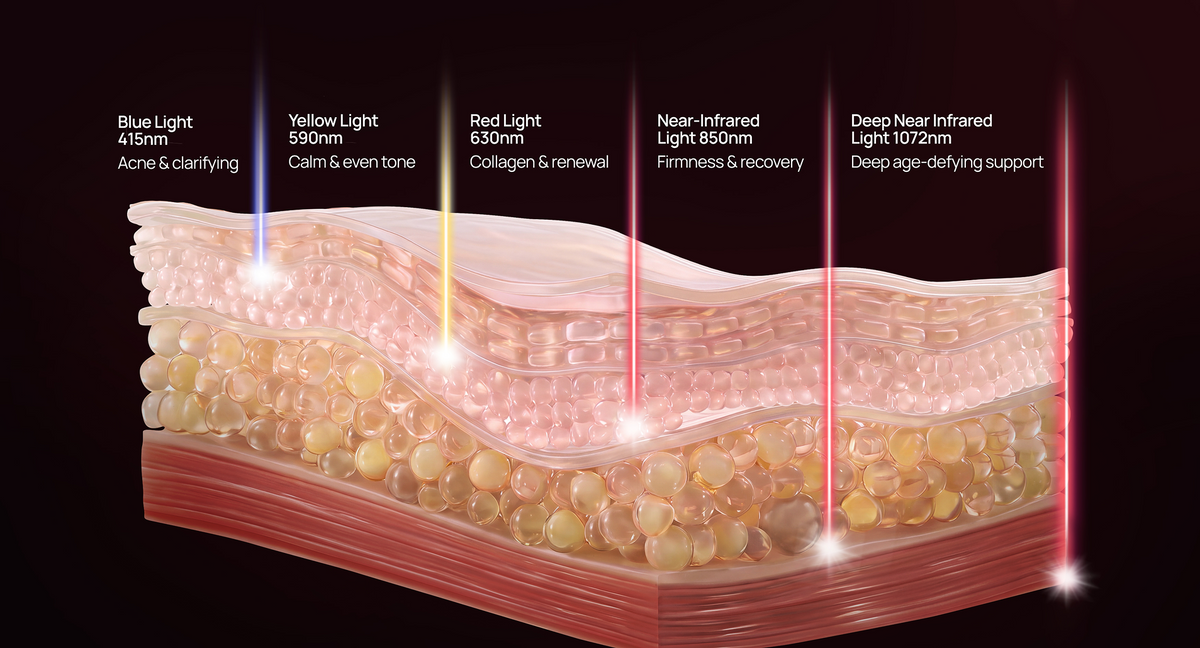
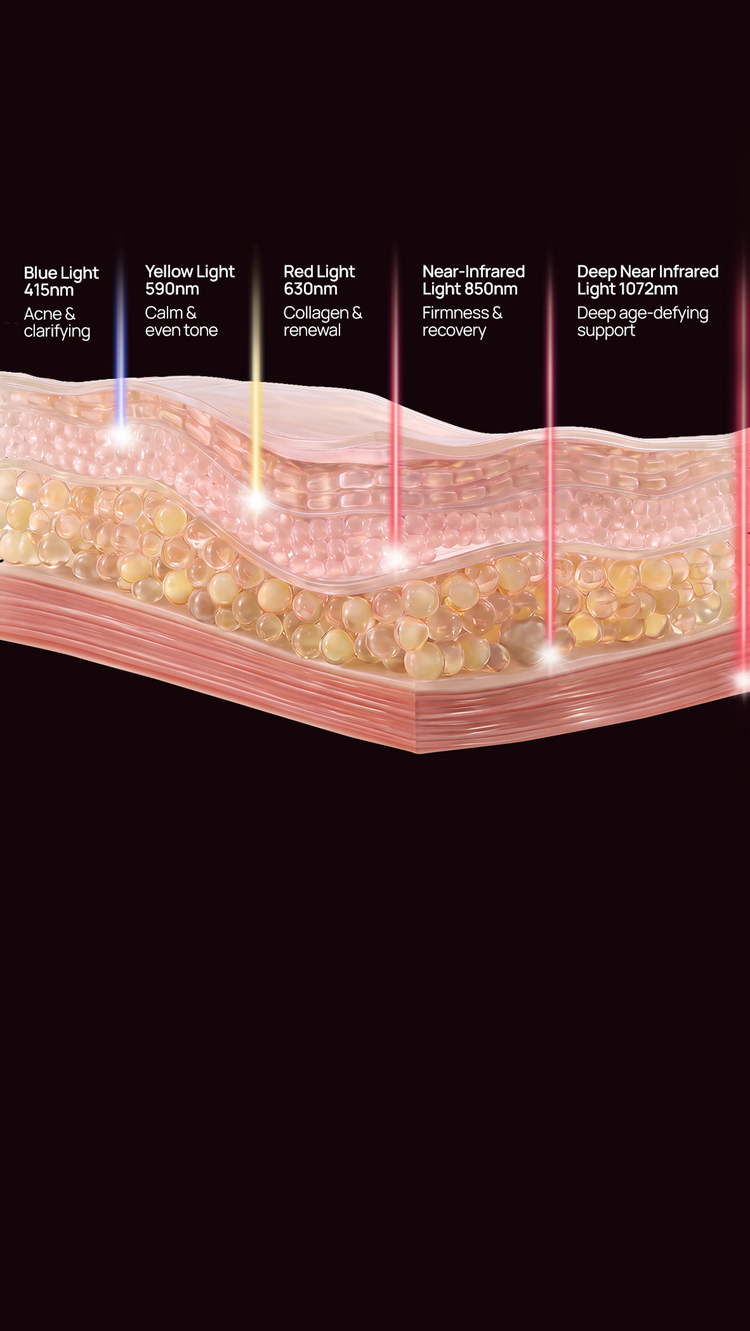
Tissue Simulation

See What Happens Beneath The Surface

Explore how different wavelengths interact with skin tissue and cellular processes involved in longevity.

Selected Wavelength: 630nm

Dermal Cellular Support

Red light at approximately 630nm is being studied for its potential to support cellular processes involved in collagen production and tissue renewal, helping maintain skin structure and resilience over time.

Primary Target:

Dermal Fibroblasts

Biological Output

Collagen-Related Cellular Responses

Selected Wavelength: 850nm

Cellular Recovery & Tissue Resilience

Near-infrared light at approximately 850nm is being studied for its effects on mitochondrial signaling, inflammatory responses, and tissue repair. Its ability to reach deeper tissues makes it particularly relevant to research on cellular recovery and muscle resilience.

Primary Target:

Mitochondria & Cellular Signaling Pathways

Biological Output:

Cellular Energy Signaling & Tissue Recovery Responses

Selected Wavelength: 1072nm

Deep NIR & Cellular Longevity Research

1072nm deep near-infrared light is an emerging area of photobiomodulation research, exploring how light interacts with cellular processes involved in tissue health and resilience. Early clinical research has shown promising results in visible skin aging, while its broader applications in whole-body longevity remain under investigation.

Primary Research Focus:

Cellular Responses to Deep Near-Infrared Light

Biological Output:

Emerging Evidence in Tissue Health & Resilience

Trusted By Experts.

Trusted By Experts

Guided by board-certified dermatologists and specialists in skin longevity.

Dr. Ted Lain, MD, MBA

“Between appointments, consistency matters. For patients who want to support their skin at home, Halio...”

Dr. Ted Lain, MD, MBA Board-Certified Dermatologist | Chief Clinical Innovation Officer, Halio
Dr. Ted Lain, MD, MBA

“I usually use red light two times a week for skin rejuvenation. There's emerging evidence...”

Dr. Yusheng (Eric) Zhang Dermatology at UTSW Dermatology
Dr. Yusheng (Eric) Zhang

“Red light is commonly used to support collagen and overall skin quality. I love when...”

Dr. Kristina Telhami Pharmacist & Certified Functional Medicine Practitioner
Dr. Kristina Telhami

“I love red light therapy, honestly what does red light not do…?”

Jeanette Maldonado Dermatology Physician Associate, Preferred Dermatology
Jeanette Maldonado

Clinical Demonstration

See The Science In Action

A molecular look at wavelength propagation and cell response.

Empirical Inquiry

Red Light Therapy: Myth vs Science

Clarifying biological facts from marketing fiction.

Myth 01

"More intensity means better results."

WHAT RESEARCH SHOWS

Studies use defined exposure parameters. More light does not automatically mean a better outcome. Follow the instructions for your specific device.

Myth 02

"All red-light devices work the same way."

WHAT RESEARCH SHOWS

Wavelength, output, treatment area, distance, and session timing vary. Findings from one setup should not be generalized to every device.

Myth 03

"A specific result is guaranteed on a set timeline."

WHAT RESEARCH SHOWS

Outcomes depend on the device and protocol studied. Testimonials and individual studies do not establish a guaranteed result for every user.

Discover The Latest From Halio.

Read All

Frequently Asked Questions

Find quick answers to common questions about Halio longevity devices and practices.

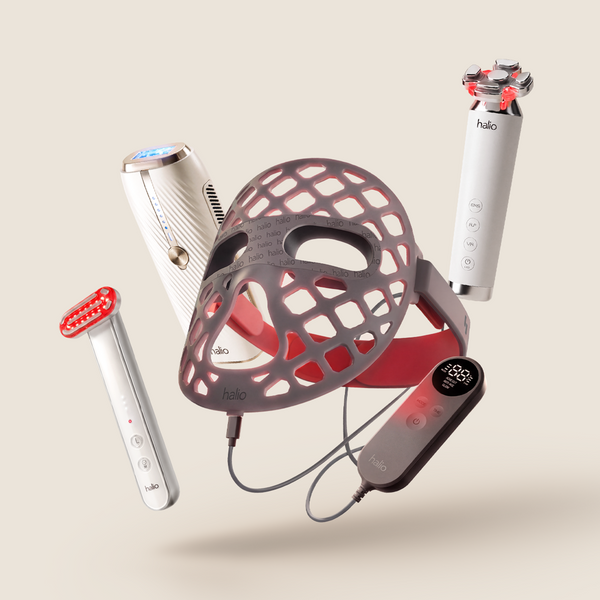
We turn clinic-inspired light therapy into lightweight devices designed for a consistent, everyday skin longevity routine. Every device is developed under the clinical leadership of a board-certified dermatologist and backed by a 2-year warranty. More than 4.5 million devices have been sold worldwide.

Red and near-infrared light reach below the skin’s surface, where they’re absorbed by the mitochondria, the energy centres of your cells. This supports the production of ATP, the energy cells use to repair and renew, which in turn supports collagen, calmer-looking skin and recovery. Our clinical work is led by Dr. Ted Lain, a board-certified dermatologist and Halio’s Chief Clinical Innovation Officer, and every claim we make has to meet his evidence standard.

Light therapy works cumulatively, because it supports processes in your skin that take time. Most people notice smoother, calmer, more even-looking skin within about 4 weeks of consistent use. Firmer-looking skin and softer-looking fine lines usually show after 6 to 8 weeks, as collagen renewal builds. Consistency matters most. Individual results may vary.

Yes. All Halio devices are non-invasive and designed for at-home use, our LED devices emit no UV light, and every device is developed under a board-certified dermatologist’s clinical leadership. Follow the recommended routine for your device, and if you have sensitive skin, start on the lowest intensity. We don’t recommend using Halio devices during pregnancy or breastfeeding, and if you have a medical condition, check with your doctor first.

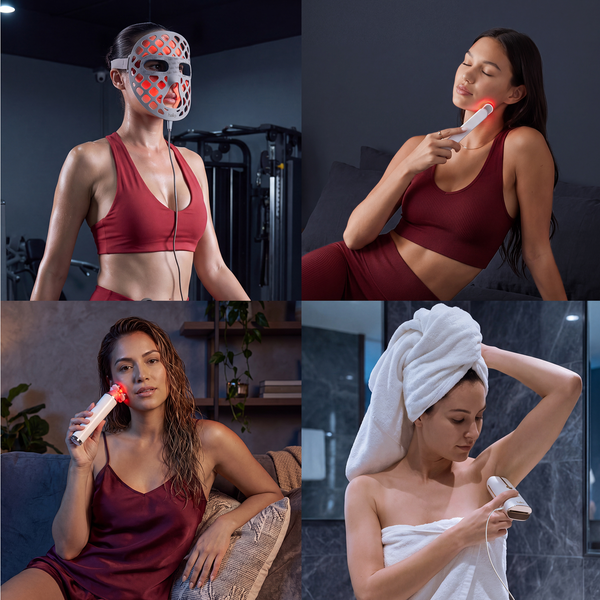
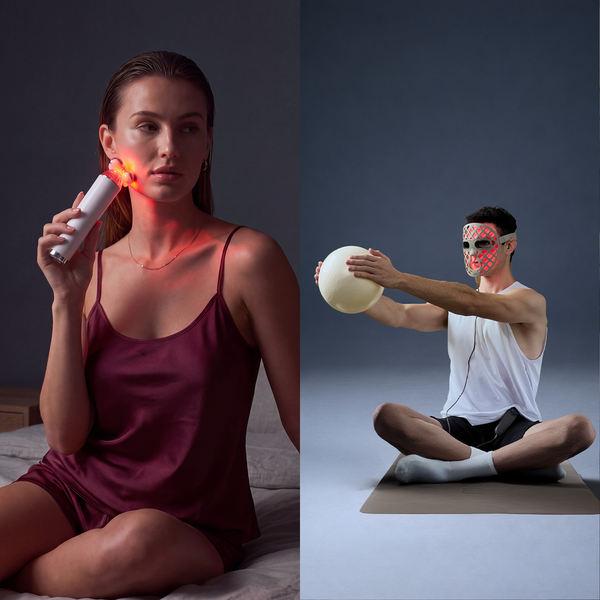
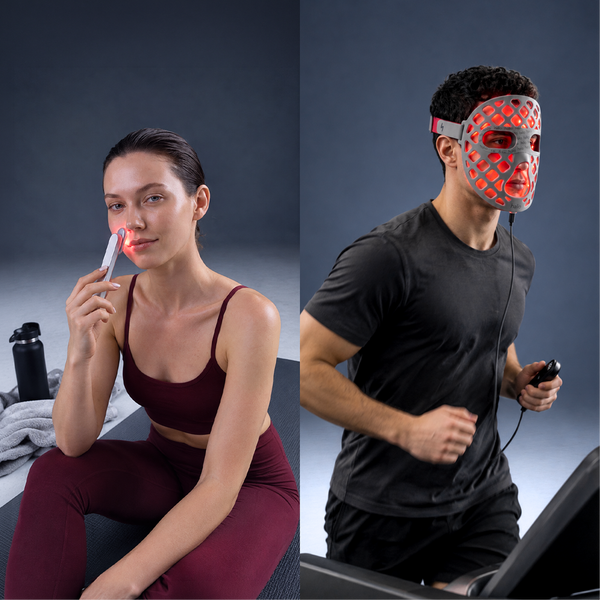
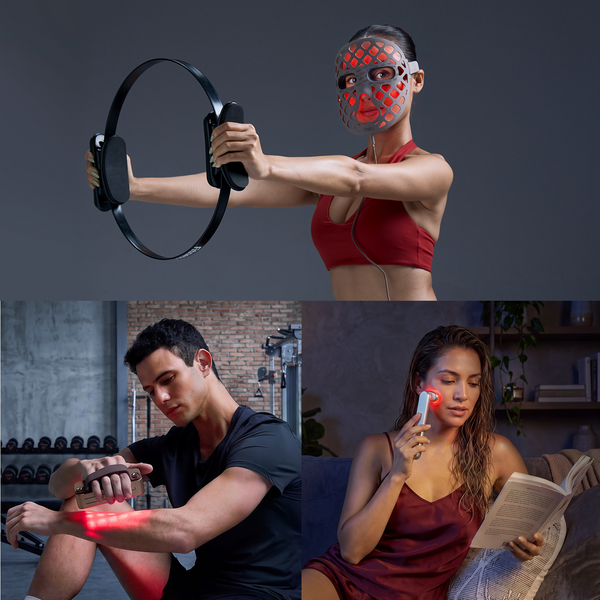
Most sessions take 5 to 10 minutes, depending on the device. Slip on the hands-free LED Mask Pro while you unwind, or use the RegenBoost after a workout. It’s a short daily habit, and keeping it consistent is what builds results over time.

Halio In Action.